If you read this blog your wildest dreams will come true.

Okay, maybe not. I really can't promise that. But I can promise that you will feast your eyes (pun intended) on some rather delicious-looking works of edible art. Just promise you won't lick your computer screen.

Pages

Wednesday, July 10, 2013

It's Pie Time

For years I avoided attempting certain staples for the simple reason that I was convinced I would mess them up. Meringue intimidated me, the thought of poaching an egg gave me shivers and I swore off caramel after a burnt and sticky mishap I had with Paula Dean’s flan recipe (I don’t want to go there). But finally boredom and a dash of spontaneity enticed me to face my trepidation and tackle two of my greatest culinary fears at once--and enter the finished products in a competition at the farmers market the next afternoon.

Admittedly not the best idea, as I am a poor multi-tasker and get easily distracted. But I was determined to crank out two award-winning pies that would shock and awe the judges. I firmly believed the only way to do this was to master difficult techniques that required practice, experience and numerous attempts. And I firmly believed that I could do it in a day. I don’t know anything about meringue but I’ve heard rumors that they disintegrate, weep and do all sorts of unbecoming things when it’s humid outside. It just so happened that I chose to do this on one of the most rainy and humid days of the summer. Excellent.

Sometimes the best motivation is insanity. That and pressure. I had 2 hours to produce two of the most iconic American treats: apple pie and lemon meringue.

It turns out that meringue is really not that difficult to make. I know somebody somewhere is going to disagree with that statement so I can’t (and won’t) claim any sort of expertise on the topic. I’ve only made it once (well, twice now) and I have never had lemon meringue pie before today so I’m not even sure if it tasted normal but it tasted pretty darn good to me—sort of like an extra soft marshmallow. I’m a fan.

Against all odds, I ended up with a beautiful, glistening, white, pillowy, sweet, mile-high (okay, you get the picture) meringue to top my tangy lemon curd, which topped my slightly under-cooked pie crust. This was after screwing up the order of ingredients and dropping not one but three egg shells in the bowl, which I immediately chased and wasted precious time digging out of the slippery whites. I hate egg shells.

The caramel, which was initially destined to become part of a salted caramel apple pie but turned out to miraculously switch destinies when I discovered how delicious it was and how marvelously well it paired with apple slices at the precise moment that my stomach was grumbling from hunger, was not the disaster I pictured it would be. I was skeptical to say the least, especially when the sugar-water-butter mixture did nothing but foam obnoxiously for ten minutes. I stood there, uncomfortably glancing at the clock and back at the caramel and back at the clock. I checked and re-checked the recipe, which, as usual, proved no help in the lack-of-patience department. ‘This step may take a while’ was all it said. Wow, thanks.

As promised, the caramel did eventually turn ‘the color of copper’, at which point I added some cream and almost burnt myself numerous times as I whisked it to death, terrified that it would seize up on me like so many caramels in my unwritten nightmares. It didn’t. Instead, it turned into a velvety sauce that tasted deeply of, well, caramel.

Long story short, I suffered from a severe case of fate or dumb luck or perhaps both. Here are the finished products:


Saturday, April 13, 2013

A Tale of Two Breakfasts


People have forgotten what good food tastes like.

A common modern-day breakfast is a cloying, crimson paste surrounded by a dry crust, adorned with sprinkles of various neon colors that pops, steamy and gooey from a toaster. We scarf it down without a second thought and enjoy every sweet, sticky bit.

Consider the alternative to this processed, nutrient-lacking nightmare. Two farm-fresh eggs, over-easy, their plump golden yolks oozing a thick, nutritious blend of essential amino acids, vitamins and minerals; their glistening whites packing sustainable energy in the form of protein. A handful of plump tomatoes accompany the eggs, adorned with pungent basil leaves, a drizzle of olive oil and a dusting of sea salt. A blood orange sits opposite the tomatoes, its four perfect quadrants displaying countless perfect little pouches, each holding a precious cargo of rich juice.

The former was painstakingly synthesized from wheat and corn plants to produce a product virtually void of nutrients. It was carefully engineered to satiate our instinctual human appetites for fat and sugar, decorated with unique colors not found in nature and conveniently packaged in a cute little box adorned with eye-catching shapes and colors.

The latter had a simple, pure start. It began with the ground, which grew the plants that fed the chicken who laid the eggs the morning prior to our feast and grew the tomato plant that produced bright red nutrient-rich orbs, bursting with juicy seeds. The steps from ground to plate are minimal: the eggs were gathered from the chicken, cleaned and cooked; the fruits were plucked from the vine, rinsed and sliced.

Presented with this alternative, this cacophony of aroma, flavor and visual allure, I am willing to bet that anyone would prefer the latter.

To many, food comes in cardboard boxes and plastic packages, not in recycled cartons or baskets filled from the garden.

What a sad thought, to know that we have become so far removed from our food that we no longer know what real food is.

This tale of two breakfasts is not meant to discourage but to inspire. Despite enormously influential food companies who utilize clever advertising and “science” to further the deception that food should be engineered rather than grown and meals designed rather than assembled; despite the way these products appeal to our senses and despite the length of time this has been allowed to continue, there is something innate that tells us this is not the way it should be.

When we look at a Pop Tart versus a pair of free-range eggs, we can immediately sense which is better. Our eyes see the diversity in color—-real colors-—on the second plate, our mouths taste a deeply layered, wholesome flavor that cannot be manufactured in a lab and our bodies welcome a flood of nutrients that feed our cells and give us lasting energy for the day ahead. The Pop Tart meets its demise the minute it enters the mouth. The few nutrients it does contain will cause a sugar spike and eventually a crash and its eater will soon be asleep at his desk.

If we stop to examine our food, we realize what we are doing and we will immediately see our error. Food was originally derived from the soil and we now know, through decades of painful and costly mistakes, that we cause a chain reaction of problems when we take it too far from its source.

As the whole food movement continues to take hold, we are discovering food all over again. Slowly but surely, we are transitioning from synthetic to simple food. Once we experience the taste of real food, we will never go back.


Sunday, October 28, 2012

Agrarian Pursuits

I recently spent a weekend at a farm in Iowa. Three days without a shower, without cell phone service, without junk food. No Facebook, texting or TV for 60 straight hours.
It was wonderful.
To many college students, this might be the closest thing to torture one can imagine and, while I was less than thrilled about the lack of running hot water, I thoroughly enjoyed being disconnected from the outside world and connected instead to the things that really matter—the earth and the people, plants and animals that inhabit it.
There’s something magical about a crisp, quiet fall morning where the grass is crunchy with frost and the cows are grazing contentedly in the field waiting to be milked. We woke up minutes before the sun, fumbled around in the pitch black for as many warm layers as we could find, slipped on our rain boots and trudged through the field to milk the cows. I could feel the earth warming gently as the sun began to slowly peak over the horizon. Soon it was a brilliant, golden orb casting beams of light across the pasture and melting the glistening frost that encased each delicate blade of grass.
We spent the day shelling dried beans, clearing out the barns for storage and preparing the farm for the cold months ahead. In between tasks everyone joined together for delicious meals as fresh and home-grown as they could possibly get: beef from a grass-fed cow butchered a few months earlier, kale picked right outside the kitchen window, eggs collected from the chickens just an hour prior to breakfast. We knew exactly where each ingredient came from and which animals and people had been instrumental in its short journey from the field to the kitchen.
Being this connected to your food is an amazing feeling. While a McDouble is concocted from a random assemblage of beef that came from so many different cows it is literally impossible to trace their origin, high fructose corn syrup grown in various Midwestern states and processed until it no longer even faintly resembles the plant from which it came and lettuce shipped from half way across the country, this food traveled a maximum of 300 feet from pasture to plate.  
You know your food is local when it is grown so close to home that you can point in the direction of its origin. When someone asks you where your food came from your answer can be, “Farmer Ben” or, even better, “my backyard”.

         Getting involved in the process of growing, tending and harvesting is a great feeling. You feel very accomplished and satisfied when you sit down to a steaming hot plate of home-grown food and know that you were instrumental in its creation. Better yet, you are thankful for the people and animals that contributed to your meal. As agricultural hero Joel Salatin puts it, we must respect and honor the animals that we intend to consume. This brings us closer to them and, in turn, creates a beautiful and humane carnivore-animal relationship. In the same way, if we tend our plants with care we appreciate each crispy pea pod, each tender leaf of lettuce, each spicy sprig of cilantro. 
I recognize that it is not possible for everyone to grow their own food but even a simple change in mindset makes a world of difference. Maybe we don’t have fifteen acres of lush grassland on which to raise cows but we can source our meat from local farmers and suppliers who treat cows as the grass-eating herbivores that they are. If we don’t have the time to grow 25 varieties of produce in our backyard, we can shop at farmer’s markets and support our local economy. If we aren't able to raise our own chickens, we can purchase free-range eggs and meat from farmers we know do not subject their animals to the atrocities that are rampant in factory farms. Perhaps we can’t spend three hours preparing every dinner from scratch but we can avoid processed products that travel an unfathomable number of miles to arrive on our grocery store shelves.
We can contribute to the proliferation of sustainable, locally grown food if we learn to appreciate the plants and animals we consume and avoid the dreadful modern habit of thoughtless consumption.


Friday, April 27, 2012

Coffee Conundrum


Having spent the past ten years of my life living in a town so small they don’t bother to count how many people actually live in it; a town so rural it used to be a cornfield; a town so obscure Google Maps doesn’t even recognize it as a legitimate location, I feel very out of place in the city. Today I had some time to burn before meeting my friend downtown, so I elected to find a Starbucks and hang out for a bit. I walked down a random street in search of an ubiquitous green siren. In less than five minutes, I had found one.  

Having skipped dinner, I spent literally five minutes trying to decide which snack I felt like eating. In an effort to expand their vast domain, appeal to a larger population, and make more money, Starbucks now satisfies their patrons’ hunger as well as their thirst. True to form, the sweets and goodies are placed in an illuminated, glass case conveniently located at eye-level to the customer. Pumpkin bread, golden orange and studded with pumpkin seeds; muffins as big as your fist; tarts, pies, and even bagels—they have everything you could possibly want and even some things you didn’t know you wanted. Below the treats, in a dark, rather obscure cooler lies a variety of milks, juices, and yogurts—the “healthy” stuff. They recently introduced their Bistro Boxes—little bento-style plastic containers filled with dainty portions of cheese, crackers, vegetables, and assorted sides. I give them props for offering such healthy and appealing options but am disappointed by the way in which they display them. I had to bend down awkwardly to inspect the options and when I finally settled on one (tuna salad, cheddar cheese, crackers, and blanched green beans), I was shocked at the price. But I suppose everything seems expensive on a college budget. 

I am not a coffee connoisseur. I worked at a coffee shop for eleven months and, although I can make a double Ristretto and a vanilla Frappuccino and a nonfat double shot Irish cream latte in under seven minutes, it takes me about that long to make heads or tails of the menu here. First off, there are about twenty seven different kinds of drinks to choose from. Once you settle on one, you must then decide on the milk—nonfat, low fat, regular, or soy? Then you get to choose how much caffeine you wish to consume. It is a double or triple shot day? Or, if you’re new to caffeine (like me), you should probably play it safe and opt for half-caff or you won’t be able to sleep for three days. Once my brain finally finished processing all of this and I realized that a Tall is the smallest size you can order (go figure), I coughed up nine bucks and change, grabbed my dinner, and waited for my drink to be ready.

“Nonfatmocha”. Oh, that’s me. I check out the side of my cup, scribbled with markings so illegible it is a miracle they turned up the very same drink I ordered. I sit down to munch my tuna salad and wait for my drink to cool enough so I don’t burn my tongue, a common newbie mistake I manage to re-learn every time I drink coffee. Glancing around me at this stylish building filled with a collection of trendy 18-40something year olds sipping their custom hot beverages out of the clean, classic green and white cup that has become an American icon, I suddenly feel hip and trendy myself. 
I suddenly have the urge to blog.

This entry is supposed to be more than just a story of my experience at America’s most well-known and loved coffee shop chain. My experience here has caused me to think. First of all, is it odd that I knew I would find a Starbucks if I walked down the street? Is it strange that we can (and do) take places like this for granted? Is it a good or bad thing that they’re literally everywhere or that we expect to be able to whip out our MacBooks and tap into the free, lightning-fast WiFi? Why do I feel like I should be wearing skinny jeans and boots instead of jeans, a T-shirt, and Chucks? Why do I feel a full 35% trendier as soon as I walk in the door? Finally, what function does Starbucks have in today’s culture? Is it more than a trendy, overpriced commercial behemoth? Have they successfully filled a niche market—or did they create a market for themselves to fill? 
Your comments are appreciated. Meanwhile, I will sit here and sip my coffee. 


Friday, January 20, 2012

Comfort Food

Riddle time:
What causes some children to cry if they don’t have it and others to cry if they do? What do parents work hard to earn for their children—children who often take it for granted? What kills millions of people who don’t have it and millions who do? What causes some people to smile and others to cringe? What do some people spend a lifetime trying to obtain and others a lifetime trying to lose? What convinces young children to obey, makes pets do silly tricks, and brings people together in a powerful, meaningful way?

food.
picture source: Microsoft Clip Art

Food has remarkable power. It can make a 2-year-old pick up his toys, entice a 12-year-old away from an Xbox, bring a smile to the face of an elderly woman, and bring a family together for an hour at the end of a crazy day.

Food’s powerful ability to toy with the emotions is worth noting. The smell of certain “comfort foods” often elicits pleasant childhood memories. Our powerful sense of smell, combined with our senses of sight and taste, makes us feel happy whenever we eat Mom’s meatloaf or sip hot cocoa made “just right”.

Comfort foods are more than a psychological phenomenon, they are founded in science. Scientists have discovered something they call “olfactory memories”—memories we link to certain smells. Smelling a particular food can cause us to remember things we would never remember otherwise (How Stuff Works). These olfactory memories can be light-hearted: I was sitting at a round, 4-person table…the waitress came with a steaming hot plate of stir-fried rice…we proceeded to spend the next three hours ordering multiple more orders of stir-fried rice and reminiscing…somehow I ended up spilling soy sauce all over my new, white jacket. (So that’s what the stain is from!)...at the end of the meal I got a fortune cookie that read “You are to be the recipient of a large number of somethings.” We all laughed about it…on the way out of the restaurant, the waitress gave me sixteen tiny thank-you mints. Olfactory memories can also elicit more meaningful memories: It was the morning of my 10th birthday. She made my favorite cake—three layers of puffy, yellow cake with moist, sweet pineapple oozing out of the sides. I blew out all the candles but one. My wish came true anyway.

College cafeterias love making what they call “comfort food” in an attempt to give a student a sense of home-ness. It never works for me. I think comfort foods are unique to the individual. For me, it isn’t chicken pot pie or macaroni and cheese that brings back good memories. For me, it’s apple crisp.

It’s simple, really. Toss a bunch of apples with some sugar and cinnamon, top it with a simple oatmeal and butter crumble, cook until warm and bubbly. It is as simple as it is wonderful. The apples turn tender and sweet, the sugar syrupy, the oatmeal toasty. If nothing in the past five months has caused me to become homesick, smelling apple crisp just might do the trick.

So I tried an experiment. I chopped up an apple, mixed in some applesauce, threw some homemade granola on top, and microwaved it until the apples were tender (ish) and the granola was toasty (or as close as you can get to toasty in a dorm’s microwave).

I’m eating it right now. Proof: apple on the keyboard.

Oops...

More proof:


Strangely, it didn’t make me homesick. It did, however, make me absurdly happy. As I said before, food has remarkable power.

Sunday, November 27, 2011

Perspective

As I haphazardly moved a hunk of dry, rubbery chicken from one side of my plate to the other, I commented on the lack of quality food available in the cafeteria. Every day I play the “lunchroom lottery”, cringing as I scan my ID, grab a plate, and peruse the options.

Tater Tots®? I’m wary of foods that need to be copyrighted.

Chicken…I think. You may want to think twice if the word meat is surrounded with quotation marks.

The fish looks dry, as usual.
All the bananas are brown.
Meatballs! Wait, never mind.
I’m pretty sure those eggs aren’t real.

Often I abandon the cafeteria in mild disgust and turn to the salad bar with hesitant optimism.

Only iceberg lettuce today. *cue sarcasm* Hey, I have a great idea. Let’s take lettuce, suck out all the nutrients, chop it up, and call it a vegetable *end sarcasm*. 

I stare down at my plate of tomato slices from the sandwich line, a piece of toast, and a pile of baby carrots. I look around me and see a few dozen students picking at their plates with mild to severe disapproval. Hastily I say grace and start on the carrots.

Suddenly I glance at my plate again. I remember the words I just recited mechanically, as if they were meaningless: bless us and these your gifts which we receive from your bountiful goodness. When I hear the word “bounty” I think of a basket of produce from the garden, a bag of groceries, a table overflowing with potluck dishes. I glance at the salad bar, its metal bowls literally overflowing with vegetables. I look at the cafeteria lines, the pans of food being refilled as quickly as they are used up. I think back to the last time I was hungry. I think about what it means to be really hungry, not just un-full.

Now I see everything with a fresh perspective. I see the hands that serve the food but also the unseen hands that prepared it, purchased it, grew it, and planted it. I think of those who spend more time hungry than not.

Surrounded by a bounty of food, I wonder why I could not see it this way before. 
Sometimes you just need perspective. 

picture by Cacia Scheler

Saturday, November 5, 2011

Simplicity

Within a few hours of moving out of my house and to the fourth story of the beautiful old vine-encircled castle I now refer to as my dorm, I realized with a great deal of distress that for the next six months I would be forced to confine my culinary experimentation to those things that could be concocted with a small coffee mug, a spoon, and a microwave. I felt like an artist who packed away all the fancy chalks and oil paints and is left with a tiny square of paper and one those three-packs of crayons they hand out to the kids at Denny's. 

As I adjusted to my new life, I found myself subconsciously resurrecting my culinary passions in the cafeteria line. On day one I awkwardly set down my plate, piled high with mixed greens, cherry tomatoes, garbanzo beans, sweet potato shreds, and balsamic vinaigrette, next to my classmates' mouth-watering mounds of tater tots and fried chicken. 

As time went on, I learned to navigate Chartwell's irrefutably random selection of food. Although I have consumed more off-brand Cheerios in the past two months than I care to admit, I have also found several outlets where I can express myself through my favorite language. I dip baby carrots in hummus from the sandwich bar--simplified crudités. I float spinach leaves in the minestrone soup, top greens with rice salad, invent a roasted vegetable and hummus sandwich, brighten up the black bean soup with fresh salsa, even dip bread in marinara sauce and pretend it's bruschetta. If you close your eyes and picture the leaning tower of Pisa, it works. Kind of. 

The cafeteria has orange, yellow, and green plates, the latter of which are my favorite. Silly, I know, but it makes a significant difference in the visual appeal of your food. Fries and a burger look greasy and blah on warm-colored palates but are miraculously transformed to an almost-healthy-looking feast when arranged on a green plate. Someone told me the term "blue plate special" was invented under this principle. Buffet lines used blue plates because the color decreases the appetite. I haven't verified this but I like to think it's true. Anyway, I grab the first green plate I see and if they are buried I actually dig for one. I'm starting to think my classmates think either I've gone insane or I just really really like green. I tried to convince one that light reflects better off of green and makes you burn more calories while eating. 
I don't think she bought it.

Ultimately, I emerged from the initial comestible scarcity relatively unscathed. With the aid of a few tasteful pieces of dinnerware and a few simple ingredients, I have been able to spare myself from complete deprivation. 

 I now have a new-found appreciation for peanut butter.
It goes remarkably well with apples.

Oatmeal has become a close friend, expected to become closer
 in the inevitably frigid winter temperatures of Chicago. 

Perhaps the best part of this adventure I call college is the nutrition lab in which I am fortunate enough to spend three hours each week preparing various odds and ends, ranging from blanched broccoli to peach fritters. 

This was a delightful quinoa salad with mangoes, black beans,
 peppers, and a limey-cumin vinaigrette. 

As I sit here in my castle-dorm, my fingers pruned from washing dishes, the fridge stocked with 2% milk and a container of multi-flavored hummus, and pilfered pears ripening on the windowsill, I come to the pleasing conclusion that I am content with these simple pleasures.

Sunday, August 7, 2011

Currently

Currant jam.
This was my very first attempt at jam. All this time I've been afraid to even attempt it for several reasons:
1. I'm terrified of stepping into a realm of cooking where countless people around the world claim to be the best. There are literally thousands of "world-famous" jams out there. Seriously, people. You can't all be famous. It just doesn't work like that.
2. I don't know how to make jam.
3. It's infinitely easier to buy jam from the grocery store.

Regarding #1, we need to remind ourselves that there can't be a best or a worst jam because jam (like all food) is relative. Some people like their jam chunky, some like it smooth. Some people like it tangy, some like it sweet.
I like mine tangy, jsyk.

Regarding #2, I didn't know how to make jam UNTIL NOW. It's really not that difficult. You just have to wash a lot of dishes or find some minions who will do them for you *cough siblings cough*.

Regarding the last, it is true, however, as with (almost) every other (edible) thing in this world, homemade is much, much yummier.


The process is pretty simple...
wash fruit 
cook fruit
strain/mash fruit, depending on your texture preference
cook fruit a second time
test thickness
jar
chill
consume
The last step, of course, being the most important.

microsoft clip art 
I have a confession to make. I have a crazy toast addiction. It's true. I enjoy toast way too much and probably eat more of it than I should.
But it's just so good.
Especially with butter and jam.
STOP.


So try your jam on toast! OR, if you get tired of toast (if that's even possible?), try it on or in...
ice cream
pancakes
cookies
yogurt
waffles
french toast
other random carbs you find in your house

It's going to be delicious. Trust me.

Tuesday, June 28, 2011

Stop. Berrytime.


First berries of the season. Yes.
I get pretty excited about this stuff. I ran out there with my little bucket and filled it up while cramming berries into my mouth. They're so wonderfully delicious straight from the bush. Plump and juicy and just a little warm from being in the sun. I always have the hardest time picking at berry farms because they don't let you EAT any until you pay for them. I mean, come on. Go sit out there in the strawberry patch surrounded by some of nature's finest jewels but don't eat any of them. Let's be realistic here. I think they should weigh you before you go and then again when you're done picking and just have you pay for whatever you consumed. Now we're talking.

Alienberry. Yet another great thing associated with berry picking.


So here's the question. What does one do with a bowl full of fresh strawberries?

Dip them in chocolate, of course.


Tuesday, June 7, 2011

Spanako-what-the?

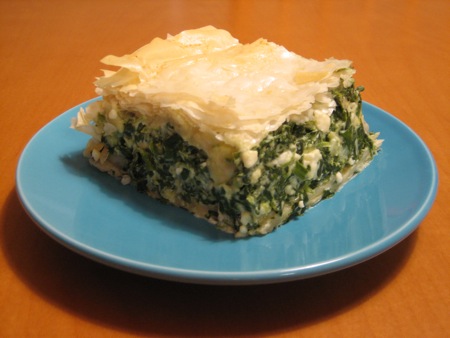
Spanakopita. I'm really not sure how to pronounce it but I do know one thing: it's really, really good.


YUM.

If you were to Wikipedia "spanakopita", you'd likely find something to the exent of:
Spanakopita is a traditional Greek spinach pie.
What?
Spinach.............................pie?!
Picky eaters and pie lovers, please don't hate me. Not to diss Wikipedia but Spanakopita is NOT pie. First off, you use phyllo dough which (if you read the previous post) we know is completely and utterly different from pie crust. Also, the filling is this fantastic combination of spinach and FETA CHEESE instead of your average fruity pie fillings.
**Brief interruption for some cheesy jokes and cartoons:

Which search engine do mice use?
Ask Cheese.

What do you call cheese that isn't yours?
Nacho cheese.

The Packers Mascarpwned the Steelers this year.

Oh man. That cheese joke was whey over my head.


Anyway, FETA CHEESE is this amazing, creamy, salty Greek cheese that gets all ooey and gooey and melty inside the spanakopita and just tastes fantastic. It's also great on salads, btw.

YUM

I wasn't too keen on the idea of making the traditional Spanakopita pie because it looks like it would be awfully messy...
(Of course they make it look all neat and perfect here but things rarely turn out looking as good as pictures on the internet might suggest. It's like those McDonald's ads that make the burgers look like angelic works of art and then you order one and it looks like......not that.)
(yeah right.)

So, in the interest of not failing (see Demotivator below), I decided to make Spanakopockets instead.

Mistakes Demotivator


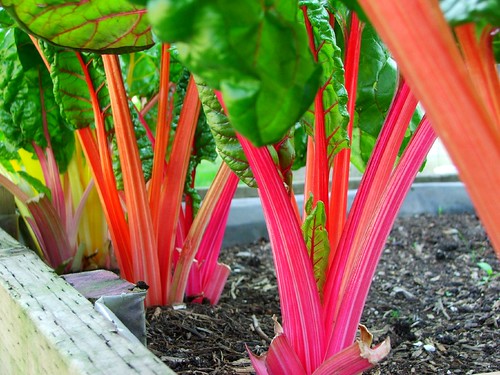
And I used rainbow chard because [a] it's beautiful [b] it's nutritious and (largely) [c] we had some in the fridge. Convenient. (Spinach would be just dandy too, in fact Spanakopita is typically made with spinach)

rainbow chard

Ain't it perty?
Chard is chock full of all kinds of vitamins and minerals SUCH AS:
vitamin K
manganese
magnesium
vitamin A
vitamin C
vitamin E
potassium
iron
fiber
copper
calcium
tryptophan
vitamin B12
vitamin B6
protein
phosphorus
vitamin B1
zinc
folate
biotin
vitamin B3
vitamin B5
plus antioxidants like:
kaempferol
syringic acid
and phytonutrients (yay!) like:
betanin
isobetanin
betanidin
isobetanidin
histamine
betaxanthin
alanine
tyramine-betaxanthin
3-methoxytyramine−betaxanthin
George Mateljan Foundation. www.whfoods.com

I'm not going to go into the details of what each of these vitamins and minerals DO (because, quite frankly, I don't know. If you want to (know, that is), read this: http://www.whfoods.com/genpage.php?tname=foodspice&dbid=16 ). In a nutshell, they help keep your bones strong and your skin healthy and they destroy antioxidants that cause cancer. 
And if that's not already good enough, chard is really, really tasty. Especially when combined with cheese. Can't go wrong there. The cheese equation is pretty simple, actually:

cheese + anything =

chard, feta, dill

chard, feta, and dill on fillo dough

It's really simple to assemble these Spanakopockets, actually. Kind of time consuming but in the end it's 173% worth it. The filling is also super tasty just eaten plain or spread on bread and made into Greek bruschetta?

Excuse me while I go eat some chard.

Saturday, May 28, 2011

Local Loot

I’m pretty sure there’s nothing better than pulling bright red rhubarb stalks out of your garden and turning them into a tangy, sweet, crispy, buttery pie. Well I just did just that. Actually, to be fair, it wasn’t my garden—it was grandpa’s. But the point is that they were literally growing in the ground just yesterday so they’re amazingly fresh and juicy and all kinds of wonderful. [Sidenote: did you know that eating a stalk of celery burns more calories than the celery has to begin with? Yep, that’s right. Negative calories.] Rhubarb is a vegetable.

Wait, what?
Yes, you heard that right. You may have been personally involved in one of those “is a tomato a fruit or a vegetable?” debates and you may also know the answer. If not, I am happy to enlighten you. Tomatoes are fruits because they are—wait for it—the fruit of the tomato plant. Carrots are vegetables because they’re not the fruit of the plant, they’re roots. Grapes are fruits, lettuce is a vegetable (leaf). Bananas? Fruits. Oranges? Fruits. Kumquats? Also fruits. Beets? Vegetable. Kale? Vegetable. Rhubarb? Also a vegetable. Corn?
TRICK QUESTION. Corn’s actually a grain.
Okay, now that we’ve got that (mostly) cleared up.
I’m a huge fan of summer produce and think it’s loads of fun to spontaneously create delicacies out of whatever happens to be in season at the moment. Local produce is great in so many ways and it’s even better if you grow it yourself. Although it seems rather heartless to painstakingly plant, water, and tend your wee baby plants only to ruthlessly cut them down to cook and eat, that’s the (natural) cycle of nature and man do they taste good J
Anyway, back to the vegetable at hand (rhubarb, that is). I found this fantastic recipe for rhubarb pie with fillo dough [brief interrupting informational tidbit: fillo/phyllo dough is a super super super super super thin (yes, it really is that thin) flour dough that comes in handy little rolls of stacked sheets like this:
 
Ta da. Find it in the freezer section of your grocery store!
Fillo dough can be pretty daunting to work with at first but once you get used to it it’s really not that bad. All the fancy recipes warn you not to let it dry out and tell you to “cover lightly with a damp cloth after each sheet so it stays moist” and blah blah blah but I’ve found that to be entirely unnecessary. The sheets go down one by one and get brushed with olive oil or butter and you have to be reeeeeallllly gentle at first (even sprinkling instead of brushing the butter on) by the time you build a stack of about 3 or so you can go to town and brush with a fairly rapid clip, allowing you to (theoretically) finish before the remaining sheets have time to dry out or even realize what happened. Although it’s pretty time-consuming to layer and brush and layer and brush and layer and brush and well, you get the point, the end result is simply marvelous. It’s crispy and flaky and amazing. Now back to our regularly scheduled programming…]
Fillo dough can be used for all sorts of things. It’s traditionally used in Greek cooking. I’m talking spankopita:
and baklava: 
 but you can also make little stuffed hot pockets and crispy apple turnovers and pot pie and CRISPY RHUBARB SOMETHING-OR-OTHER. I’m not sure what to call the end result here because it’s not really a pie (no crust on the sides) and it’s definitely not a cake (no batter) and it’s not a crisp (no oatmeal-butter-sugar crumb topping) but it’s definitely crispy and it’s definitely rhubarb so for now it’s a crispy rhubarb something-or-other.
Anyway, it was fantastic. And since a picture's worth a thousand words...

It was really quite simple. Like I said, I got the idea from a magazine but then I just threw a bunch of stuff together in a bowl and BAM (say it like Emeril) you have a house smelling like cinnamon and orange and rhubarb and a fantastic dessert on the table.

So get yourself down to your local farmer’s market (or garden) and retrieve some local loot. But wait! I don’t have a local farmer’s market! Actually you probably do. Check out this website: http://apps.ams.usda.gov/FarmersMarkets/ .
Oh, and if you happen to go to the Lake Mills (Wednesday) or Fort Atkinson (Saturday) markets, look for the Water House Foods table. Chances are I'll be working there.
Now go eat some celery.